What is face milling? Meaning, methods, and tools that drive performance.
What is face milling? Complete guide to face milling operations, tools, and best practices for machinists.When it comes to high-performance metal removal, CNC face milling is a cornerstone operation in every serious machine shop.
But with so many CNC face mill tools and face milling inserts on the market, knowing where best to start can be challenging.
This blog explains what face milling is, why it matters, and how selecting the optimal tool can increase performance and ROI.
What is CNC face milling?
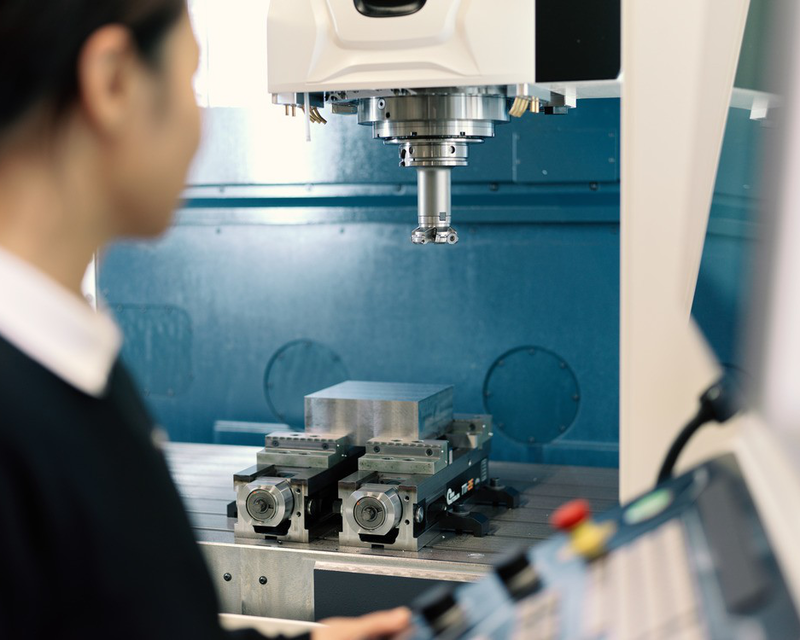
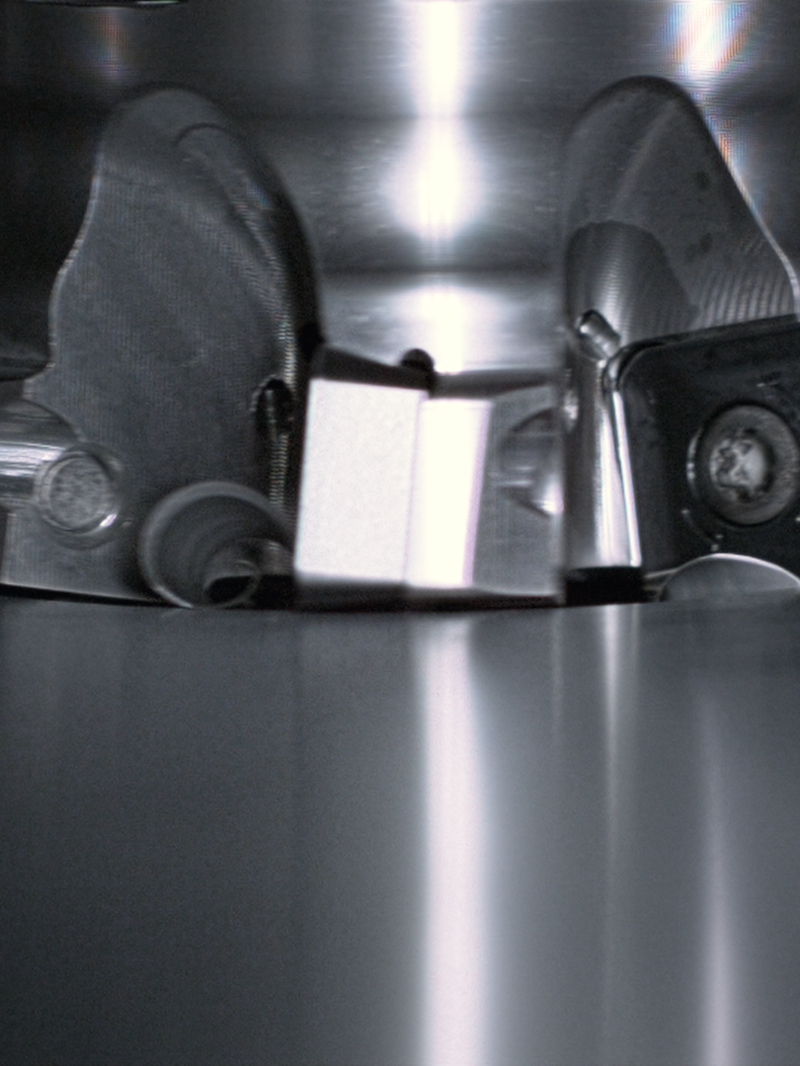
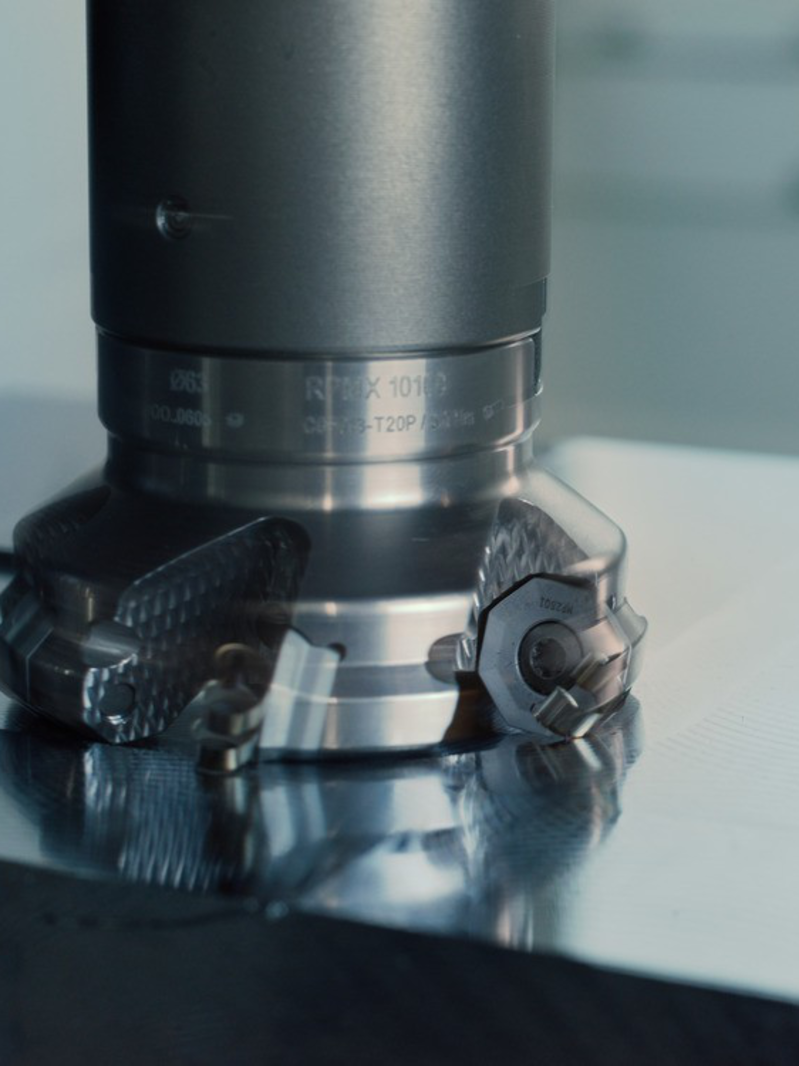
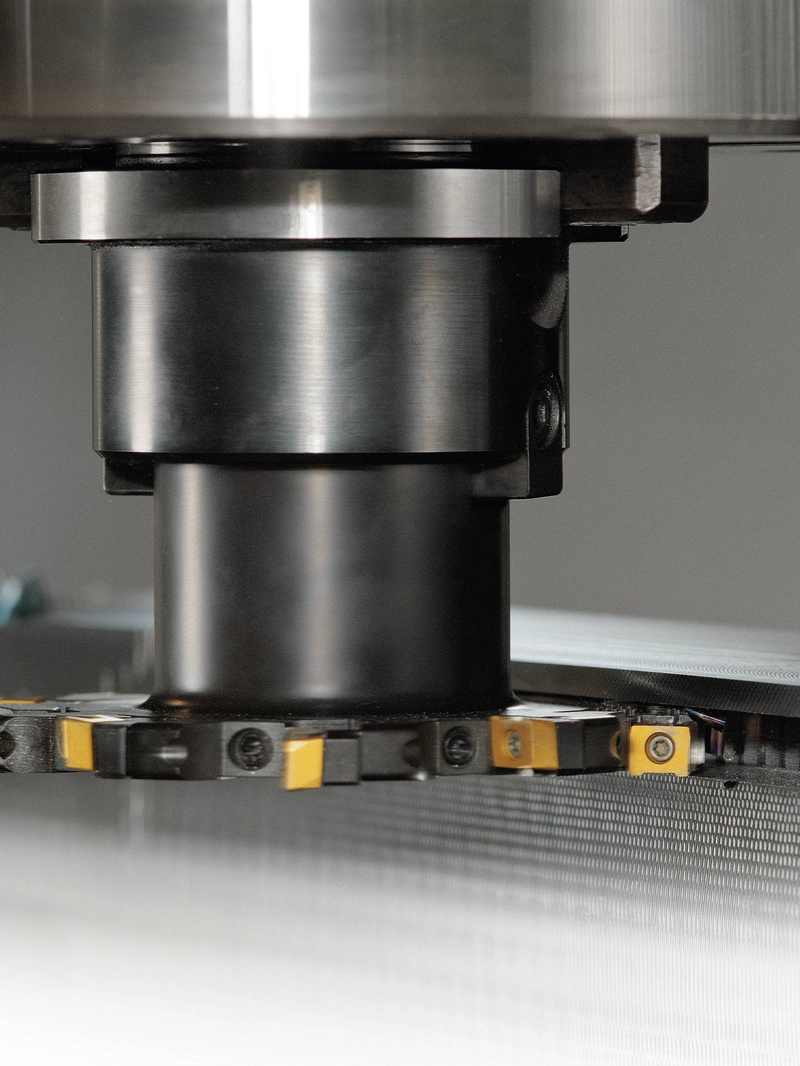
CNC milling is a process that uses a rotating cutter with multiple inserts to remove material from the surface of a workpiece.
In CNC face milling, the cutter is mounted perpendicular to the spindle's axis, allowing it to cut with both the face and periphery of the tool, and produce a flat surface on the workpiece component.
Modern CNC face milling operations demand more than just surface finish: they require process stability, chip control, and tool life that can withstand today’s production demands.
That's where high-performance face mill inserts and cutters come into play.
They enable machine shops and operators to quickly remove the high volumes of surface material needed, whilst meeting the tight tolerances associated with steels, aluminums, cast irons, and alloys.
Did You Know?
A face mill lead angle of 45° improves chip thinning, reduces vibration, and extends tool life.
|
![]()
Why does face milling matter?
CNC face milling lays the foundation for everything that follows. It isn’t just about making a surface flat; it’s about ensuring that every subsequent machining operation has a known surface and machined datum on which to build.
Face milling is often the first operation in the machining process. When performed correctly, it can vastly improve part stability, reduce rework, and set the conditions for accuracy throughout the job.
Did You Know?
When face milling, the number of machining passes affects tool life more than radial or axial depth. Using the maximum axial depth of cut (ap) and radial depth of cut (ae) will increase tool life and may improve stability.
Know more about Cutting Data Calculation
|
What are the core functions of face milling?
Function 01: Qualifying a part
Before machining takes place, parts often need a reference surface, known as a datum. This is typically created through a face milling operation that faces the part and removes surface irregularities left from casting or forging.
- Remove scale or mill skin
- Create a flat surface setup
- Define a reference plane for downstream operations
Function 02: Roughing a part
Roughing removes large amounts of material quickly. Face milling involves larger cut depths and aggressive feed rates, often in poor or unstable clamping conditions.
- Use strong face milling inserts with high edge security
- Optimize feed per tooth (fz) and axial depth of cut (ap)
- Control chip thickness to avoid vibration and notching
Function 03: Finishing a part
Finishing brings a part to its final dimensional tolerance, surface specification, and, often, ISO-certified parameter. It requires face mill insert geometries that minimize scallop marks and leave a clean surface, often without the need for grinding.
- Use wiper-style face mill inserts
- Reduce feed and depth to maintain flatness and integrity
- Ensure axial and radial runout are tightly controlled for surface consistency
Did You Know?
Choosing the wrong fz (feed per tooth) for your material can reduce tool life by over 40%. Too low can cause rubbing, and too high can lead to chipping.
|
What makes a great face mill?
The ideal face milling insert for CNC machining applications balances these three factors with consistency and assurance.
- Tool life: delivers strong insert geometry and edge stability across multiple materials.
- Surface finish: offers high runout accuracy that meets your part's exact specifications and quality assurances.
- Dependability: ensures reliable roughing, finishing, and profiling performance across all workpieces, time after time.
Did You Know?
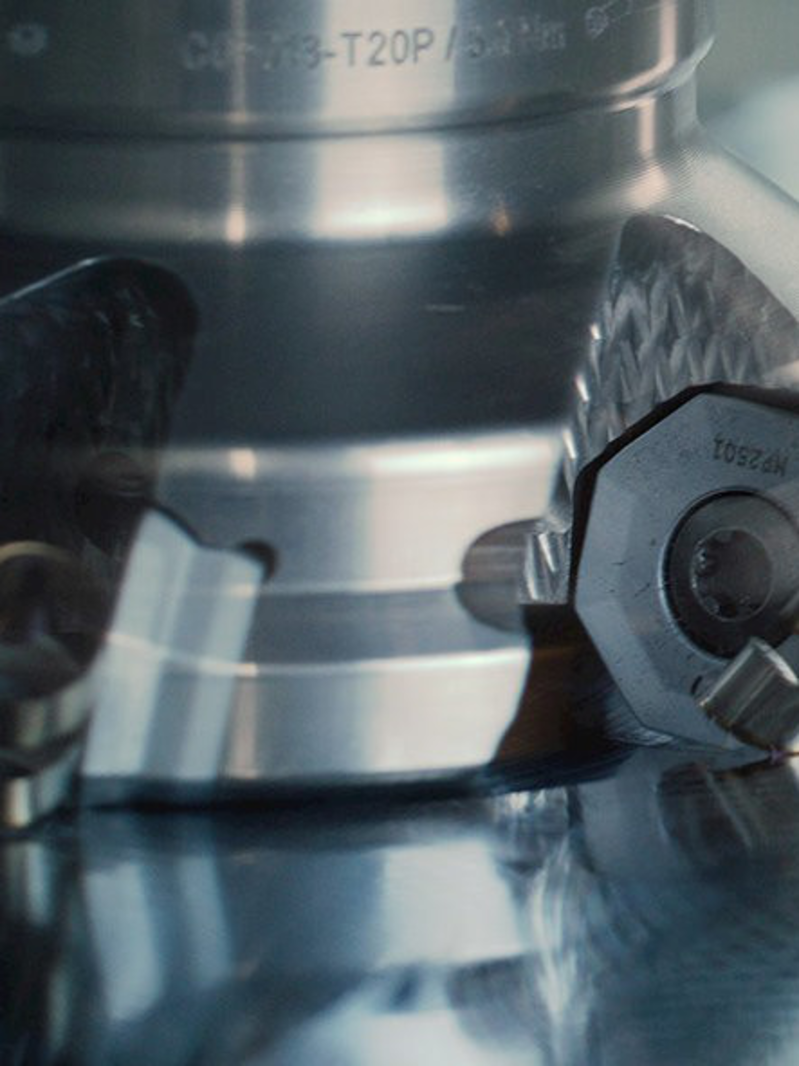
Using a multi-insert face mill like the Octomill™ 06 Face Milling Cutter allows you to switch between roughing, finishing, and profiling without changing the cutter body, drastically reducing tool changeovers.
|
Discover the face milling range
Inline Content - Promoted Content
Tags: '9c7ebd9e-66c6-595c-817a-4167ea6a3fde'
Make the most of CNC face milling
With the right knowledge, face mill inserts and machining strategies can set your CNC face milling process up for success from the get-go.
When applied correctly, face milling delivers stronger, more reliable foundations to work from, which directly leads to cost savings, performance gains, and better part quality.
The simple truth is that how you conduct your face milling operations, and your choice of CNC face mill tooling, can make the difference between merely cutting metal, and cutting smart.